FEATURE

WHAT IS A CLASSIC?

It’s one of the most widely used words in road cycling but very few people agree on exactly what it means. We take a look at why and where it comes from

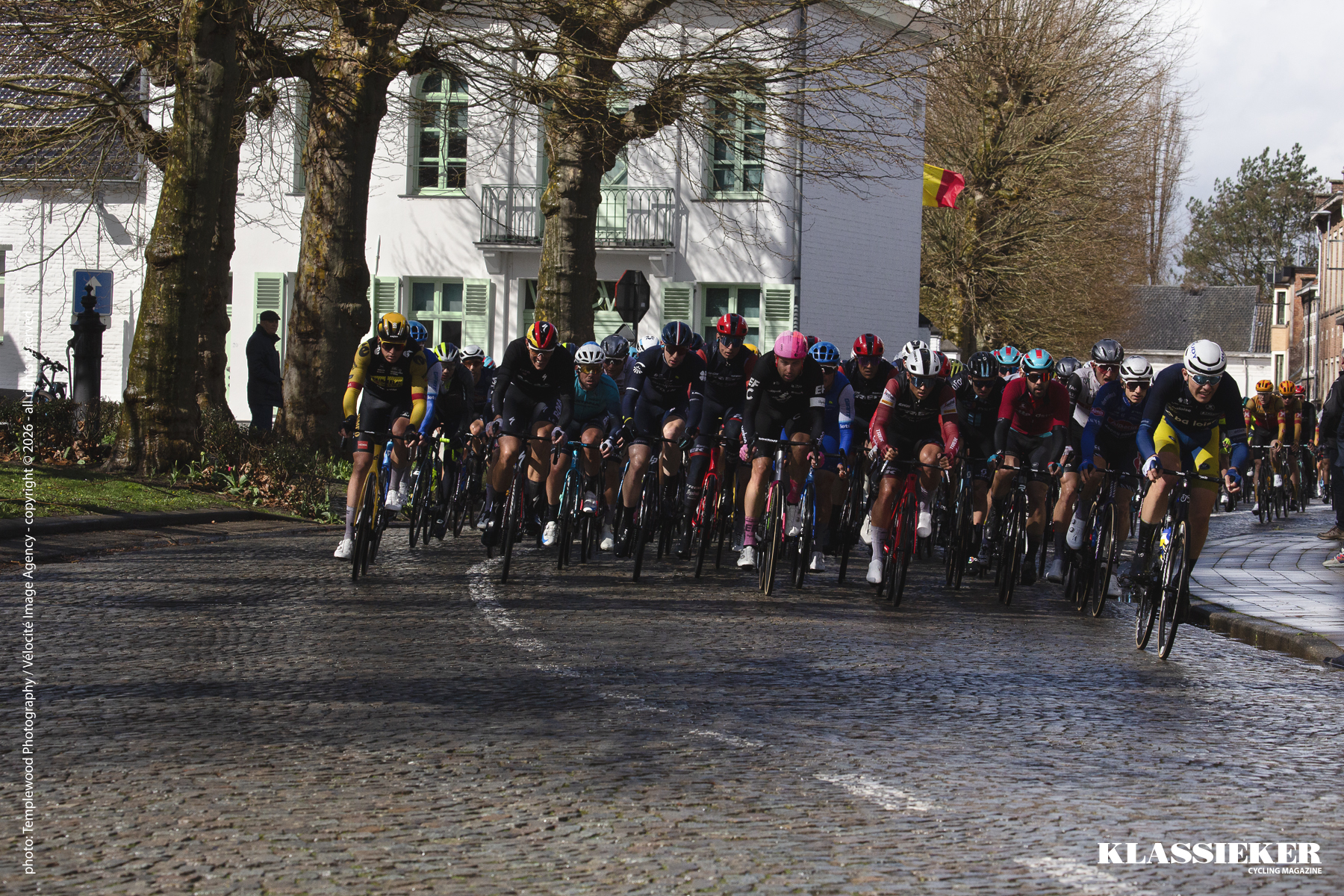
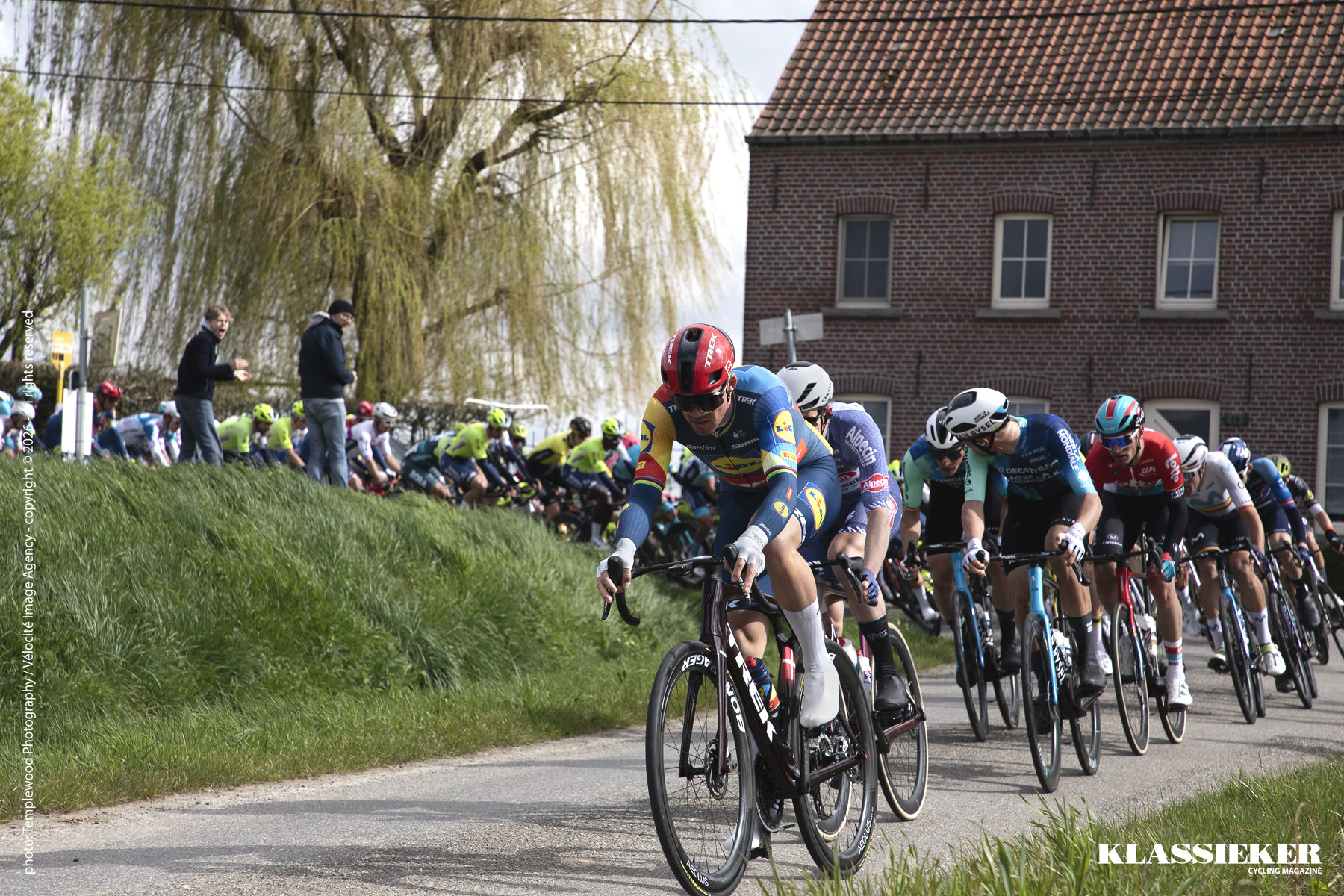
        Dwars Door Vlaanderen 2024 - The peloton takes the corner on to Rue des Chapelles
photo: copyright © Templewood Photography / Vélocité Image Agency (VIA) 2026

The peloton rounds the corner onto Rue des Chapelles in the run up to the Rue de Trieu climb at Dwars door Vlaanderen 2024

Definitive

For a magazine called Klassieker, the Flemish / Dutch spelling of the word, you’d be well within your rights to think we’d be able to give you a quick, concise explanation of this often used term. Sadly that’s not the case. The problem with the word ‘Classic’ being a definitive classification in its own right is it’s a hangover. In fact it’s more than that. It’s a hangover of a hangover.

This lack of clarity results in a multitude of races being included as both Classic and Semi-Classic. Usually dependent on who is speaking / writing, the era they became interested in the sport and their respective source material.

In an attempt to find a proper answer we need to look at where it came from.

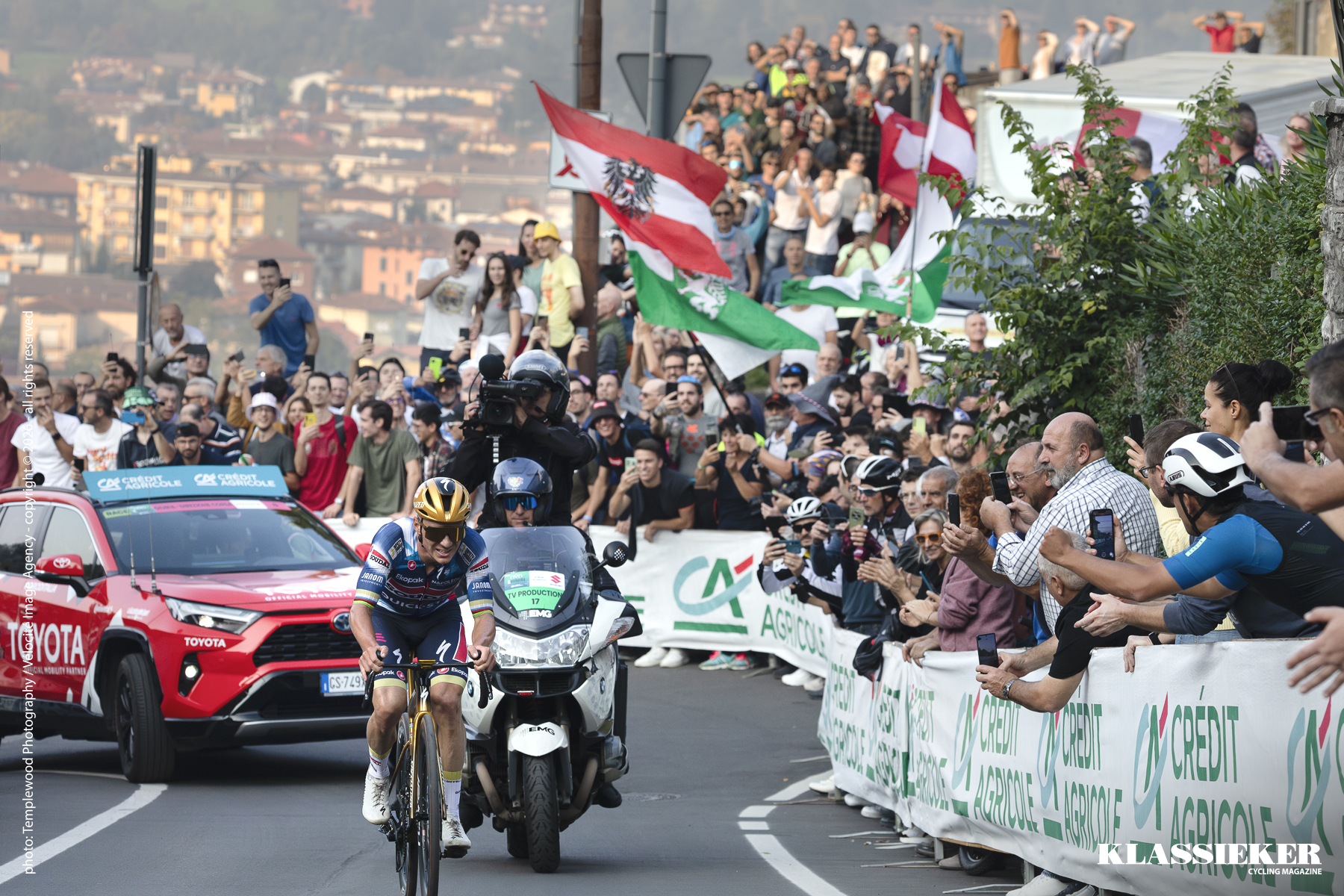
        Il Lombardia 2025 - Large crowds watch Remco  Evenepoel tackle the final climb above Bergamo
photo: copyright © Templewood Photography / Vélocité Image Agency (VIA) 2026

Il Lombardia, the final Monument of the season attracts big crowds and big name riders

HISTORY

The word ‘classic’ has been used as a superlative in bike racing journalism since the early part of the last century. However the consensus that certain races were more prestigious than others began to take shape in the post war era.


Challenge Desgrange-Colombo

In 1948 French, Italian and Belgian newspapers L’Équipe, La Gazzetta dello Sport, Het Nieuwsblad-Sportwereld and Les Sports came together to create the Challenge Desgrange-Colombo. Named after the Tour de France director Henri Desgrange and Giro d'Italia director Emilio Colombo, this prize was conceived as a way of encouraging riders from their respective countries to compete in each other’s races.

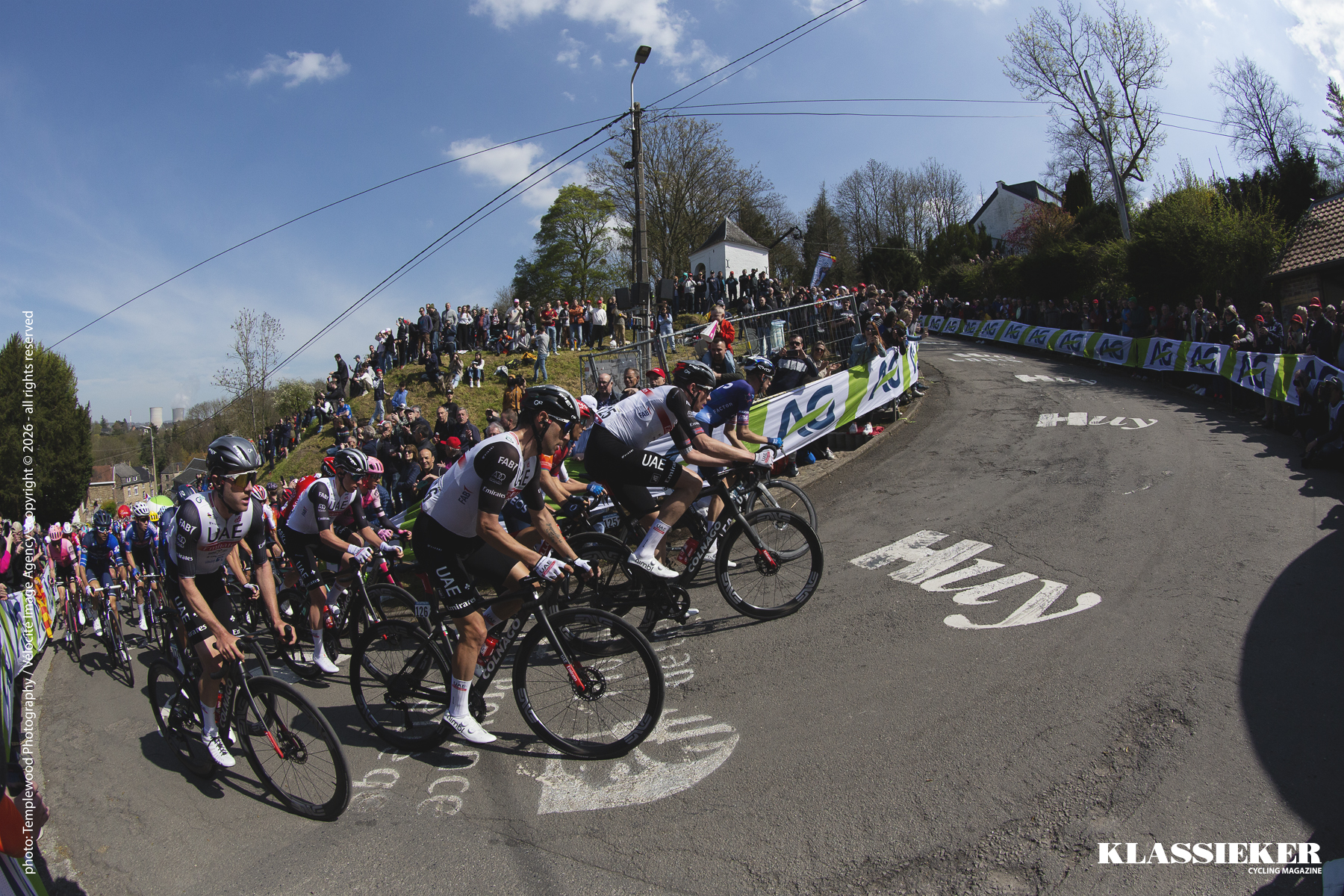
        La Flèche Wallonne 2023 - The peloton approaches a steep hairpin bend on the Mur de Huy
photo: copyright © Templewood Photography / Vélocité Image Agency (VIA) 2026

The Mur de Huy on La Flèche Wallonne is undoubtably one of the greatest climbs in one day racing

The inaugural edition included two Grand Tours (Tour de France and Giro d’Italia) along with seven one day races:


Giro di Lombardia (now Il Lombardia)

La Flèche Wallonne

Milano–Sanremo

Paris–Brussels (now Brussels Cycling Classic)

Paris-Roubaix

Paris–Tours

Ronde van Vlaanderen (Tour of Flanders)


During the competition’s 11 year history 3 more races were added. Tour de Suisse in 1949, Liège–Bastogne–Liège in 1951 and in 1958, the final year of the competition, Vuelta a España.

This set in place the framework of what would later be called Les Grandes Classiques and more recently, the Monuments.

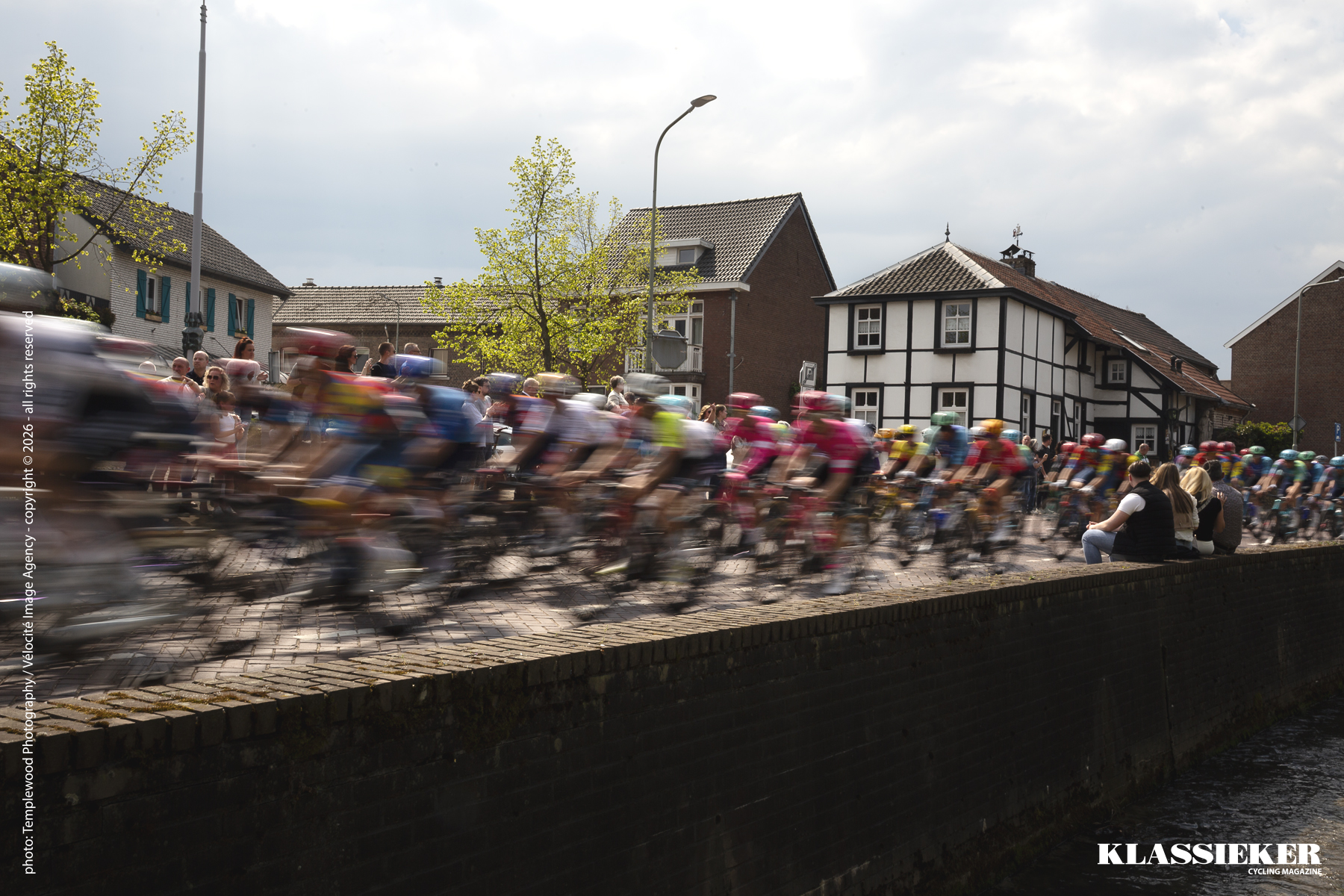
        Amstel Gold Race 2025 - Spectators sit on a wall close to the road as riders speed by in Mechelen
photo: copyright © Templewood Photography / Vélocité Image Agency (VIA) 2026

Spectators get up close to the action during the 2025 Amstel Gold Race

Super Prestige Pernod

In 1959 the prize was replaced by the more expansive and long running Super Prestige Pernod which continued until 1987. Over the course of the 29 year history of the competition 22 one day races were featured, 17 of which still exist. These were joined by two time trials, neither of which continue today.


Amstel Gold Race

Bordeaux–Paris (last raced in 1988)

Donostia-Donostia Klasikoa — Clásica San Sebastián-San Sebastián

Genoa–Nice (last raced in 1975)

Gent–Wevelgem (now In Flanders Fields - From Middelkerke to Wevelgem)

Giro di Campania (last raced in 2001)

Giro di Lombardia (now Il Lombardia)

Grand Prix de Fourmies

Grand Prix Stan Ockers (last raced in 1963)

La Flèche Wallonne

Liège–Bastogne–Liège

Milano–Sanremo

Milano–Torino

Omloop Het Volk (now Omloop Nieuwsblad)

Paris–Brussels (now Brussels Cycling Classic)

Paris–Roubaix

Paris–Tours

Rund um den Henninger Turm (now Eschborn-Frankfurt)

Ronde van Vlaanderen (Tour of Flanders)

Tre Valli Varesine

UCI Road World Championships – Men's Road Race

Züri-Metzgete (last raced in 2006)


Time trials:

Grand Prix des Nations (individual) (last raced in 2004)

Grand Prix du Parisien (team) (last raced in 1965)


Of the one day races only Paris-Roubaix, Paris-Tours and the UCI Road World Championships were part of the competition every year, though Bordeaux-Paris featured in 27 of the 29 editions. Many of the races were only present a handful of times and some such as Tre Valli Varesine and Milano–Torino only featured once.

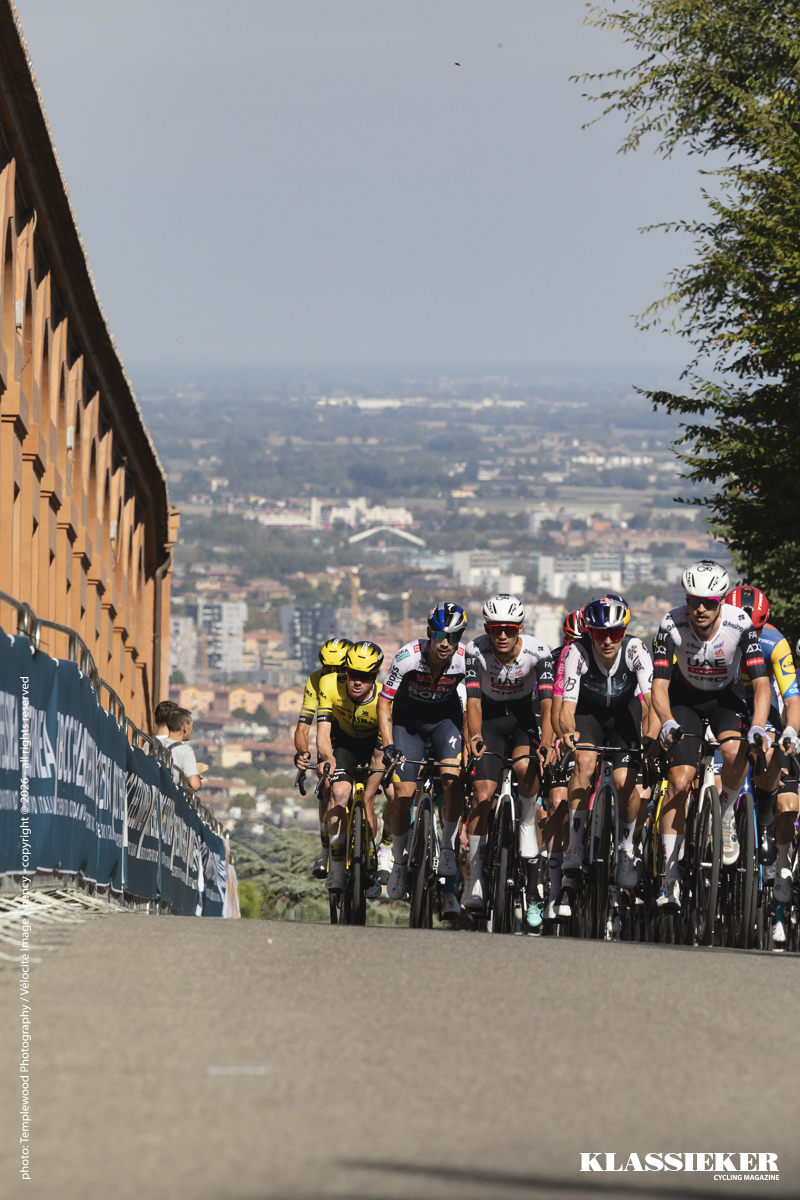
Giro dell’Emilia 2025 - A group of favourites climbs past the terracotta coloured portico on the San Luca climb
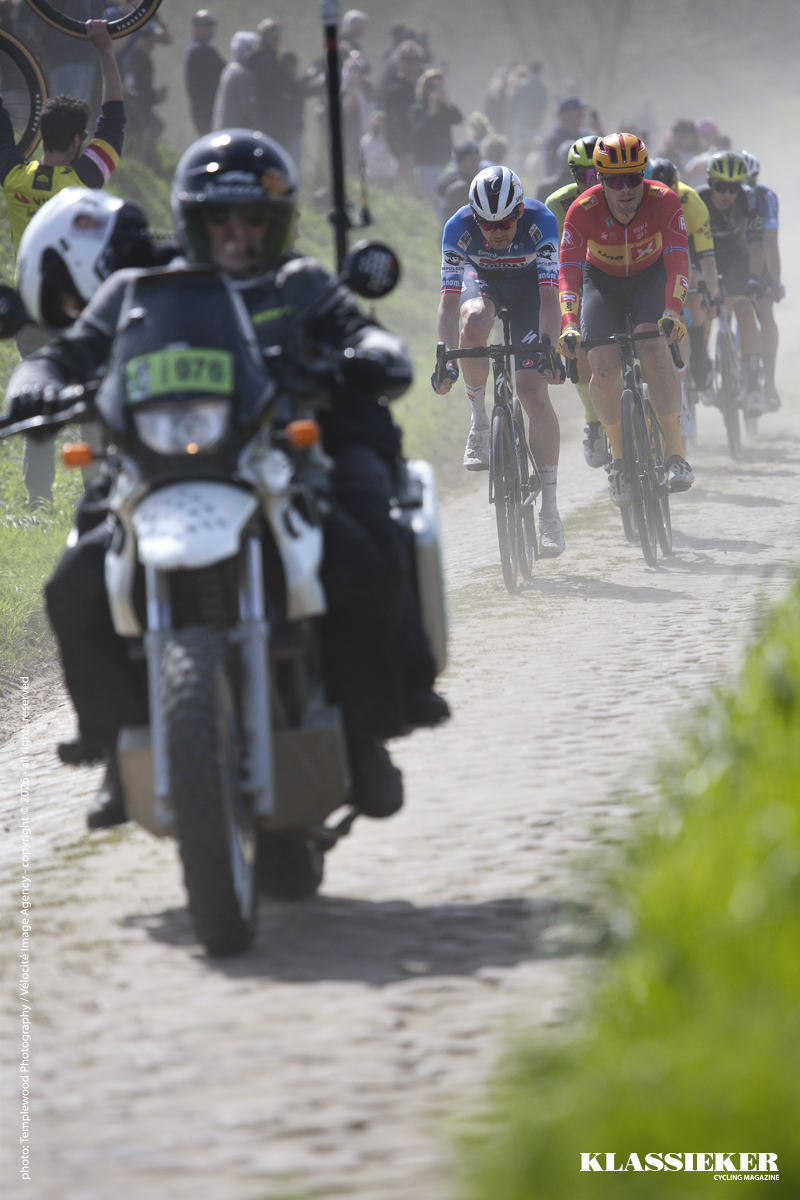
Paris Roubaix 2024 - Riders cycle through clouds of dust as they tackle the the Quiévy à Saint-Python cobbled sector
both photos: copyright © Templewood Photography / Vélocité Image Agency (VIA) 2026

Both photos: The Classics are home to some of the most iconic locations in road cycling, such as the San Luca climb at the Giro dell’Emilia and the cobbled sectors of Paris-Roubaix

UCI Road World Cup

The overlap between these two formative competitions created a distinction between Classics and Semi Classics. A dividing line which was further blurred by the formation of another new competition. In 1989 Super Prestige Pernod was in turn replaced by the foundation of the UCI Road World Cup. It included 15 one day races:


Amstel Gold Race

Donostia-Donostia Klasikoa — Clásica San Sebastián-San Sebastián

Giro di Lombardia (now Il Lombardia)

Grand Prix des Amériques (aka Grand Prix Téléglobe) (last raced in 1992)

Grand Prix de la Libération (last raced in 1991)

HEW Cyclassics (now ADAC Cyclassics)

Japan Cup

Liège–Bastogne–Liège

Milano–Sanremo

Paris-Roubaix

Paris–Tours

Ronde van Vlaanderen

Rund um den Henninger Turm (now Eschborn-Frankfurt)

Wincanton Classic (AKA Leeds International Classic and Rochester International Classic) (last raced in 1997)

Züri-Metzgete (AKA Grand Prix Suisse) (last raced in 2006)


        E3 Saxo Classic 2023 - The peloton on the wet cobbles of Beaucarnestraat
photo: copyright © Templewood Photography / Vélocité Image Agency (VIA) 2026

E3 Saxo Classic marks the beginning of Flemish Week

ProTour

Then, once again, in 2005 the UCI Road World Cup was superseded. This time by the ill fated Pro Tour. The ProTour featured 15 one day races and a team time trial:


Amstel Gold Race

Donostia-Donostia Klasikoa — Clásica San Sebastián-San Sebastián

EuroEyes Cyclassics (now ADAC Cyclassics)

Gent–Wevelgem (now In Flanders Fields - From Middelkerke to Wevelgem)

Giro di Lombardia (now Il Lombardia)

GP Ouest-France (now Bretagne Classic)

Grand Prix Cycliste de Québec

Grand Prix Cycliste de Montréal

La Flèche Wallonne

Liège–Bastogne–Liège

Milano–Sanremo

Paris-Roubaix

Paris–Tours

Ronde van Vlaanderen

Züri-Metzgete (AKA Grand Prix Suisse) (last raced in 2006)


Team Time Trial:

Eindhoven Team Time Trial (last raced in 2007)


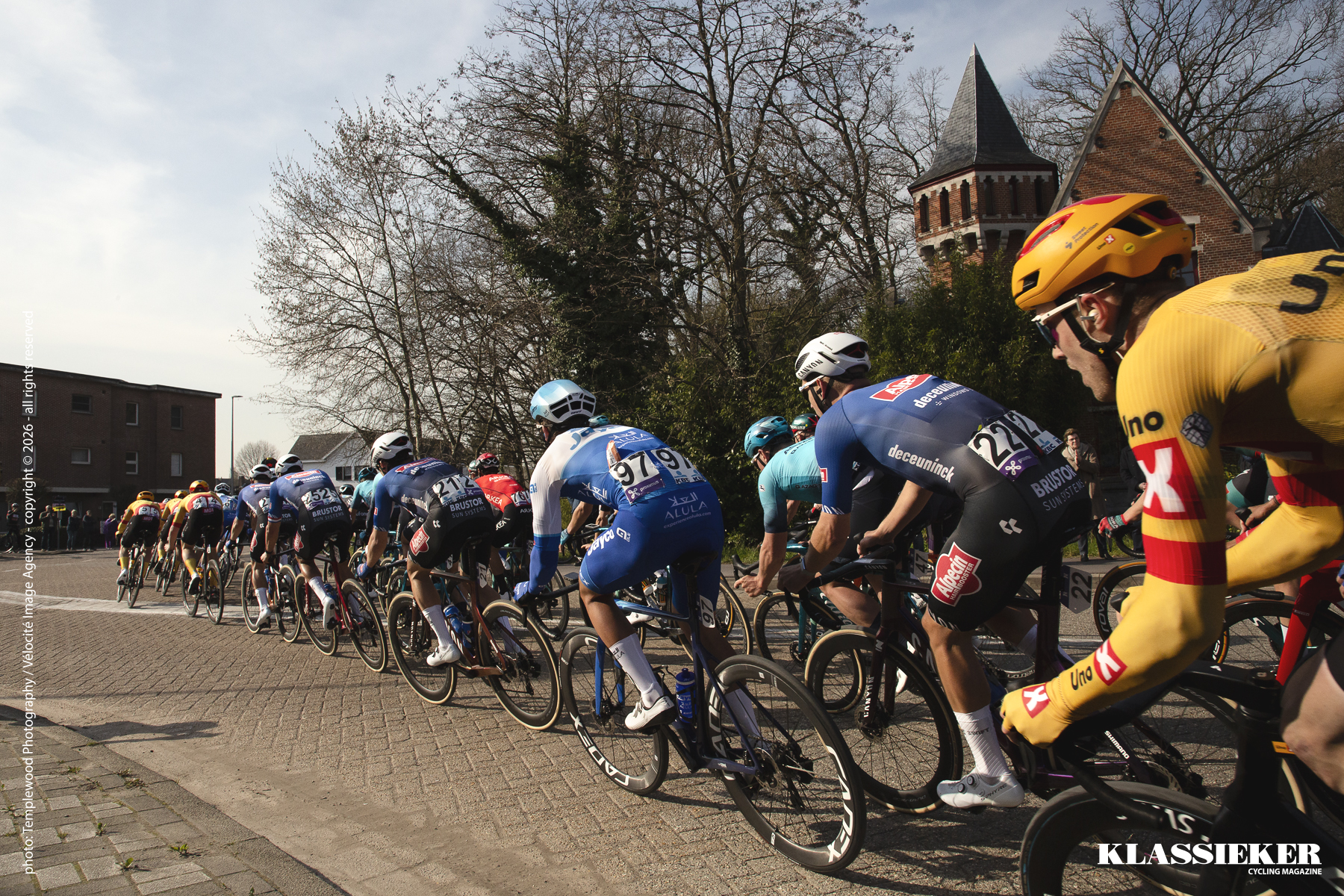
        Scheldeprijs 2023 - the peloton rounds a corner during the race
photo: copyright © Templewood Photography / Vélocité Image Agency (VIA) 2026

Scheldeprijs, a race that attracts many of the top sprinters in the world

Historic Value

And there we have it. Four competitions across six decades. Each time a new competition was put in place it added and took away races while retaining a core of events that had caught the public imagination. That left an impression which carries on to today. So what we’re left with is a broken system. Not that it was ever really very much of a system in the first place.

Plus, as time goes by and races become older their historic value builds up greater weight behind them. For instance, to us calling a race like Milano-Torino a semi classic feels rather insulting. It is the oldest surviving bike race in the world. It deserves some respect. Similarly, the idea that 119 year old Scheldeprijs is, in some way, a lesser race than the Cadel Evans Great Ocean Road Race seems to be rather far fetched. Yet that’s precisely how the current UCI points system is set up. A way of promoting new territories and encouraging big name teams and riders to participate, not as a true valuation of the various races.

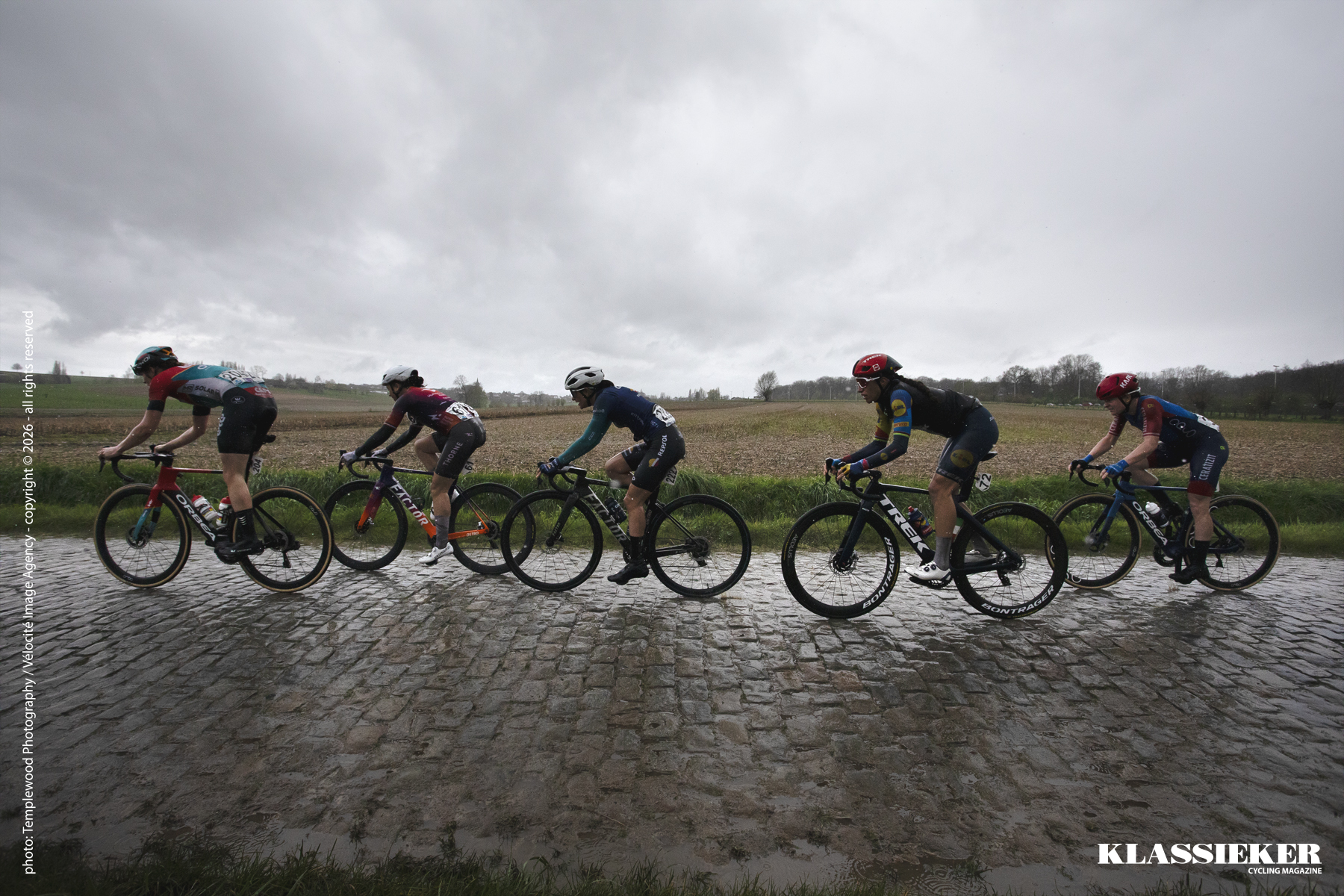
        Ronde Van Vlaanderen 2024 - Riders in wet conditions seen from the side on the cobbles of Mariaborrestraat
photo: copyright © Templewood Photography / Vélocité Image Agency (VIA) 2026

A wet Mariaborrestraat during the 2024 Ronde van Vlaanderen

So, is there a neat, simple solution to all of this?

For us, the answer to this highly debated subject is really simple. A Classic is a one day race with a rich history. They certainly don’t need to be a hundred years old. It helps but we’re not about to dismiss Strade Bianche because it’s a relatively young race.

It’s about impact. The riders, yes, to some extent. Beauty can count but it’s doubtful anyone has considered Paris Roubaix beautiful, at least, not in the most common sense of the word. Epic would be a better way of describing it. Brutal, even.

It’s important to note that almost every definition, however loose, is based on the men’s version of the sport. While there are significant overlaps some of the oldest, most prestigious women’s races such as Trofeo Alfredo Binda - Comune di Cittiglio have never had a men’s version. The fact that as recently as 2020 there were only 2 active women’s Monuments should also be noted. Recent rumours of a 2027 date for a women’s version of Il Lombardia should be warmly welcomed but there have been many false dawns over the years.

Based on this it’s reasonable to suggest that the majority of one day races at World Tour and Pro Series level qualify as Classics. It’s also reasonable to think that, as time goes on, more will be elevated to that status. But isn’t that a little ambiguous, you may ask? Yes… yes it is!

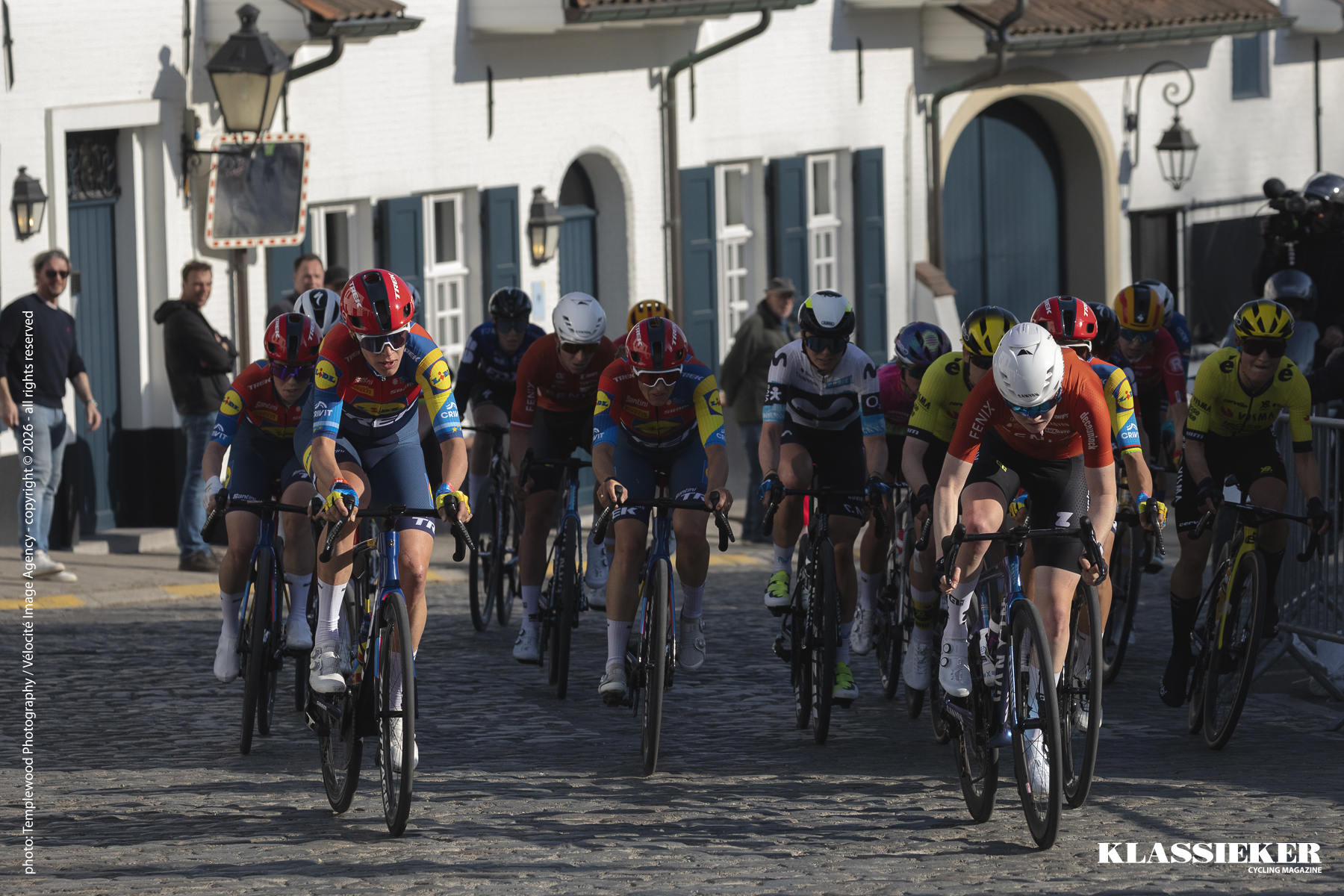
        Dwars Door Vlaanderen Vrouwen 2025 - Riders tackled the cobbled climb of Nokereberg
photo: copyright © Templewood Photography / Vélocité Image Agency (VIA) 2026

The women’s peloton tackles the cobbled climb of Nokereberg during the 2025 Dwars Door Vlaanderen

Why does it matter?

This is probably the most obvious question. The real answer being “it doesn’t”. Actually that’s just the short answer. The slightly longer answer is “Beyond basic survival nothing matters. Sport doubly so. How can doing something slightly faster than someone else genuinely matter?”

But if you thought like that there’s very little chance you’d have read this far! So, for the aficionado, this matters. It matters a lot!


Adrian Lee West • 31st May 2026